• Skip to primary navigation
  • Skip to main content
  • Skip to footer
Rising Star Real Estate
Florida Real Estate Experts
(850) 613-6832 | Login / Register
  • Search
    • Search All Listings
    • Office Listings
    • Waterfront Properties
    • Foreclosures & Short Sales
    • Hot Sheet
    • Email Alerts
    • Market Reports
  • Neighborhoods
  • About
    • About Us
    • Testimonials
  • Blog
  • Contact
  • Search
    • Search All Listings
    • Office Listings
    • Waterfront Properties
    • Foreclosures & Short Sales
    • Hot Sheet
    • Email Alerts
    • Market Reports
  • Neighborhoods
  • Buyers
    • Why Use a Realtor?
    • Getting Pre-Approved
    • Closing Costs Explained
    • Property Taxes
    • Renting? 4 Quick Ways to Buy a Home with Little or NO Money Down
  • Sellers
    • What’s My Home Worth
    • What’s the Right Price for my Home?
    • Top Questions to Ask a Real Estate Agent
    • Preparing Your Home to Sell
  • About
    • About Us
    • Our Agents
  • Contact
Home > Archives for ccleek > Page 10

ccleek

4 Common Electrical Repairs & Tips to Fix Them

When you live in a home a long time, there are bound to be some quirks that you learn to accept. They may be little things that you always planned on taking care of but never got around to.

Well, if your home is for sale, it’s time to address these issues, and some of them may require the services of an electrician. When potential buyers visit your home, it needs to be as perfect as possible, so if you’re dealing with any of the following, have them taken care of.

Faulty Switches:
You may have a switch or two that works in reverse (you turn it down to turn lights on, and up to turn them off) or maybe you have one of those mysterious switches that doesn’t seem to do anything. These can be easily repaired by an electrician.

Not Enough Outlets:
If you have a power strip that’s overloaded with plugs, it’s unsightly and even worse, dangerous. Or perhaps you have an extension cord running along a wall in order to connect a lamp to an outlet on the other side of the room. These are two reasons where additional outlets would come in handy, and a qualified electrician can do this for you.

Flickering Lights:
This is a sign of loose wiring, and it also can be dangerous. If this is happening in your house, turn off the circuit breaker that powers the light and call in an electrician as soon as possible.

Minor Repairs:
If you prefer not to do any work involving electricity yourself, call in an electrician for things like lose plates covering outlets or outlets that don’t have plates. You may also want to replace plates that are well attached but are outdated or covered in paint.

Make sure you hire a qualified and reliable electrician by checking online reviews and asking for references. Ask neighbors and friends for recommendations, and of course, ask the electrician you hire to show proof that they are licensed and insured.

Why Drinking Plenty of Water is Important

Consuming enough water can allow your body to function as it should and help you stay healthy. These are some of the many reasons why it’s important to stay hydrated.

Oral Health, Digestion and Weight Loss
Saliva helps to break down food and wash away food particles to prevent cavities. Water is one of the primary components of saliva. Age and some medications and medical treatments may reduce saliva production. Consuming more water may help.

Drinking water before, during and after meals can aid in the digestive process by helping the body break down food and absorb nutrients. If you want to lose weight, consuming more water may help, along with eating a healthy diet and exercising. Drinking water shortly before meals can make you feel fuller so you consume fewer calories. It can also boost your metabolism and increase your energy level.

When you work out, you sweat to regulate your body temperature. Staying hydrated while exercising can help your strength and endurance. It can also lubricate and cushion joints, tissue and the spinal cord and help you avoid injury. 

Losing too much water during exercise can make it difficult for the body to regulate its temperature. Dehydration can also increase fatigue and make exercise seem more difficult, physically and mentally. Even losing a relatively small percentage of your body’s water weight can affect performance. Becoming dehydrated could cause your blood pressure to drop and could cause you to develop hyperthermia.

Cognitive Performance
Mild dehydration can affect mood, memory and brain performance. Dehydration can also cause fatigue and anxiety. Staying hydrated can improve focus, alertness and short-term memory. 

For some people, dehydration can cause headaches. Drinking water may prevent headaches or reduce their intensity and duration.

Other Benefits
Water transports oxygen and nutrients throughout the body and improves circulation. Drinking enough water can keep skin hydrated and may help the body produce collagen. 

Severe dehydration can cause life-threatening conditions, such as hypertension, kidney failure, swelling in the brain and seizures. Drinking enough water daily may prevent those problems. 

How Much Water Should You Drink?
The amount of water you should drink each day depends on your gender and other factors. You should consume more water if the weather is hot, if you are exercising or working outdoors, or if you take a medication or have a medical condition that can cause you to become dehydrated. When you feel even slightly thirsty, that is a sign that your body needs more water.

Budgeting for Home Improvement

When calculating the cost of homeownership, it’s important to include not only everyday costs, such as mortgage payments, utilities and property taxes, but also inevitable home-repair expenses. Some of the most common home repairs involve plumbing fixtures, patios, fences and driveways, heating and air conditioning systems, and painting – both inside and out.

The good news is, keeping up with home maintenance will preserve or enhance your home’s value; however, it’s crucial that homeowners plan ahead for the costs involved. Here are some tips from BMO Harris Bank:

– Contribute small amounts regularly to an emergency fund for maintenance and repairs.

– Understand how a repair or renovation will impact the value of your home by researching which renovations create increased value and are popular selling features.

– Think long term when making financial decisions. Whether you are using savings or borrowing to renovate, take the time to meet with a financial expert to ensure your renovation meets your long-term financial objectives.

– Expect the unexpected. Be financially prepared for the unexpected, such as a leaky roof, broken pipe or other course corrections that may occur during the project.

– Get renovation quotes in writing and understand what guarantees they provide – for example, if the cost of the plumbing in your renovation is more work than expected, will the quote go up?

Although no one has a crystal ball, financially preparing for repairs and renovations is a smart move for all homeowners!

6 Things You Should Know About Homeowners Insurance

If, as is often the case, your home is your biggest investment, it stands to reason you want to protect it against damage, theft or other disasters. Your lender, who also has a stake in the property, wants to protect it, too. In fact, they will require proof of insurance coverage before you can close on the purchase.

If you are ready to purchase homeowners insurance, here are six things you need to know:

1. There Are Different Types of Policies.
Policies differ in terms of what they cover, so be sure you understand what you are buying. Does the policy protect you in case of any disaster except those omitted in the policy, such as flood damage? Does it include total replacement coverage? Coverage if someone is hurt on your property, and/or loss of personal belongings? The more substantial the coverage, the more the policy will cost.

2. Not Everything Will Be Covered.
If you’re covered up to $2,000 on personal belongings, for example, and your $4,000 ring is stolen, you won’t be fully reimbursed. But if your luggage is lost or stolen while you are traveling, you will be covered up to the policy limit.

3. Home Maintenance Counts.

Damage incurred because of homeowner negligence, such as failure to fix a longstanding slow leak, will likely not be covered. Also, some companies are leery about dog breeds known to bite, so be sure your dog is covered—and keep potentially dangerous breeds contained.

4. Your Credit Score Counts.
Except in Maryland, California and Massachusetts, insurance companies use credit-based insurance scores to predict losses and determine which customers are more likely to file claims. The scores also evaluate your outstanding debt, length of credit history, whether you pay bills on time, etc. The higher your insurance score, the lower your premium will be.

5. Document What You Own.
Keep receipts and appraisals for your belongings and maintain a list of personal possessions and their value.

6. Ask About Discounts.
Will your premium be discounted if you buy other insurance, such as auto or life insurance, from the same provider? Will making home enhancements, like adding a security system, lower your premium?

Daycare Snacks Get the Thumbs Down

From animal crackers to gummy fruit snacks and calorie-laden juice drinks, kids in child care are not getting the nutrition they need from daily snacks, according to a new study from Cincinnati Children’s Hospital Medical Center published online in the journal Childhood Obesity.

The study – the first of its kind to compare meals to snacks – shows that despite efforts to improve the diets of children in child care settings, meals – and particularly snacks – still lack nutritional quality. Snacks, while smaller than meals, are an integral part of a preschooler’s diet, typically comprising 26 percent of their daily calorie intake.

Researchers from Cincinnati Children’s reviewed menus at 258 child care centers in southwestern Ohio, analyzing the average weekly frequency for servings of fruits, vegetables, lean meats, juice (100 percent) and sweet or salty foods. They found that the composition of lunches differed from snacks in all food categories.

Fruits, vegetables and meats were rarely included in snacks, but were listed almost daily as a component of lunches. Conversely, 87 percent of centers served sweet and salty foods – such as gummy snacks, pretzels and crackers – at snack time more than three times per week, but rarely at lunch.

The study also found that:

• 87 percent of centers rarely listed non-starchy vegetables for snacks, but 67 percent included them at lunch more than three times per week.
• 100 percent fruit juice was listed as a component of snack at least three times per week in over a third of the centers surveyed, but rarely with lunch.
• 60 percent of the centers reported serving 2 percent milk to children older than age three; 31 percent served whole milk.

“Snack time for kids is a missed opportunity,” said Kristen A. Copeland, MD, from the Division of General and Community Pediatrics at Cincinnati Children’s and the study’s lead author. “With some 75 percent of kids ages 3–5 in child care, revising the types of foods and beverages served as snacks in child care may be a way to address the growing obesity problem.”

The USDA is expected later this month to release new guidelines for meals and snacks served in child care programs under the Child and Adult Care Food Program. These guidelines are expected to call for increased variety in the types of beverages and foods served at snack times among participating programs, and specifically including more fresh fruits and vegetables and meat or meat alternatives as snacks.

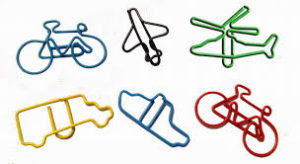
Fun with…Paper Clips!?

It’s amazing what people can accomplish when they’re bored. Take the everyday paper clip, for example. With a little creativity and time on your hands, you can be quite productive, even during a time of severe procrastination! Though you may want to spend your time a little more wisely, here are a few unbelievable things you can do with simple little paper clips.

Have a dirty keyboard? Is one of your keys not working properly or sticking every time you try to hit it? Bend and unfold a paper clip and insert one side of the clip under the edge of the key you wish to remove. The key can then be easily removed, cleaned properly or replaced.

If you are an artist or just have an artistic flair, try using paper clips for creative purposes or to add to something you’re currently working on. Words can be spelled out with colored paper clips or you can create animals or structures by bending and molding multiple clips.

Extra crafty individuals can create necklaces for their friends or family. Add other crafts to the project like beads or pendants and let the paper clips serve for the base of the necklace. Mix and match colored paper clips and beads for a bright, vibrant homemade piece of jewelry.

Using a few simple supplies and an indefinite amount of creativity, you can let your imagination run wild and create things you never thought possible.

  • « Go to Previous Page
  • Page 1
  • Interim pages omitted …
  • Page 8
  • Page 9
  • Page 10
  • Page 11
  • Page 12
  • Interim pages omitted …
  • Page 76
  • Go to Next Page »

Contact UsWork With a Local Expert

Whether you are buying or selling, your real estate needs are unique to you. As your local real estate expert we are here to be your guide. Contact us today - we're here to help.

Contact Us

Footer

Rising Star Real EstateFlorida Real Estate Experts

(850) 613-6832|Contact Us|1191 Eglin Parkway, Suite G, Shalimar, FL 32579
company logo

DRE#   •   sitemap   •   admin   •   ©2026 All Rights Reserved  •  Real Estate Website Design opens in new window by IDXCentral.com