• Skip to primary navigation
  • Skip to main content
  • Skip to footer
Rising Star Real Estate
Florida Real Estate Experts
(850) 613-6832 | Login / Register
  • Search
    • Search All Listings
    • Office Listings
    • Waterfront Properties
    • Foreclosures & Short Sales
    • Hot Sheet
    • Email Alerts
    • Market Reports
  • Neighborhoods
  • About
    • About Us
    • Testimonials
  • Blog
  • Contact
  • Search
    • Search All Listings
    • Office Listings
    • Waterfront Properties
    • Foreclosures & Short Sales
    • Hot Sheet
    • Email Alerts
    • Market Reports
  • Neighborhoods
  • Buyers
    • Why Use a Realtor?
    • Getting Pre-Approved
    • Closing Costs Explained
    • Property Taxes
    • Renting? 4 Quick Ways to Buy a Home with Little or NO Money Down
  • Sellers
    • What’s My Home Worth
    • What’s the Right Price for my Home?
    • Top Questions to Ask a Real Estate Agent
    • Preparing Your Home to Sell
  • About
    • About Us
    • Our Agents
  • Contact
Home > Archives for July 2019

Archives for July 2019

5 Weird Places to Use Your Credit Card

5 Weird Places to Use Your Credit Card 

Even Echo Boomers can remember the days when keeping cash in your wallet was necessary for certain purchases. Now you have the option of swiping your plastic at tons of weird places that used to be “cash only.”  

To Swipe on Your Smartphone 
Remember when you needed cash for that tag sale or flea market? Nowadays, small vendors can attach credit card readers to their smartphones to swipe your plastic on the spot! Companies like Square, Intuit and PayPal have all introduced tiny readers that link to an app so merchants can take cards. Way to go, technology! 

To Score Girl Scout Cookies 
In 2011, Girl Scouts announced that certain troops would be accepting credit cards for their cookie sales via the aforementioned smartphone credit card reader. No longer do you need to have cash in hand when those adorable cookie pushers ring your doorbell—the Girl Scouts switched to Sage Mobile Payments for their 2012 sales season. 

To Post Bail 

Caught speeding? Someone you love stuck in the slammer? Your credit card can help. Certain municipalities will now allow you to use a credit card as collateral for a traffic ticket, and some cities will also let you post bail with a credit card, according to CreditCards.com. However, it’s important to note that there are often heavy fees attached to doing so. 

To Pay a Parking Meter 
No change in your pocket or camped out between your car seats? No worries! More and more, cities are adding credit card readers to their parking meters. This helps consumers and city officials who no longer have to send out officials to collect quarters from machines! Win win! 

To Buy Food from a Vending Machine 
Just like the parking meters, you can now use your card to buy food from certain vending machines. Happy snacking! 

Source: money.msn.com 


Christine Cleek

ABR, CRS, SFR, E-Pro

Broker, Owner

Rising Star Real Estate

850-217-0990

Chris@RisingStarRealty.com

www.RisingStarRealty.com


2016 Voted in the TOP 100 MOST INFLUENTIAL

REAL ESTATE AGENTS IN FLORIDA


2015 Trulia TOP RANKED Real Estate Agent 

Based on Client Reviews & Ratings!


Featured in  January 2014 FLORIDA REALTOR MAGAZINE 

This prestigious award honors excellence among the top 1% of 

agents in the country based on 2014 sales and client reviews. 
 

Visit Rising Star Real Estate on FACEBOOK!

Join my Network on Linkedin!

Follow me on Twitter!

12 Home Maintenance and Repair Hacks

Nothing compares to the sense of freedom and pride you feel owning your first home – you make the rules and the design decisions. But homeownership also comes with a lot of responsibility, too. You no longer have the luxury of calling the landlord or maintenance staff when something goes out – that responsibility (and expense) falls on your shoulders.

One way you can handle the inevitable home maintenance and repairs needs without breaking the bank is learning some essential skills. Here’s our list of “how to” hacks every new homeowner should know:

How to Change Air Filters – Keep your A/C unit running efficiently (and minimize dust) by regularly swapping out dingy air filters for new ones. As a rule of thumb, you should change filters every three to six months, unless you have pets or allergies. If that’s the case, it’s recommended to swap air filters every 30 to 90 days. Check out automatic delivery services like Amazon or FilterEasy to send you new air filters at a predetermined frequency.


How to Shut Off Water – Do you know how to quickly shut off water in the event of a pipe burst? Knowing how can help prevent flooding that could cost you thousands in repairs. Ask a plumber or other knowledgeable source to show you where the main water valve is in your home and know how to turn of water to individual appliances like your washing machine and toilets.


How to Fix a Running Toilet – Have your water bills suddenly escalated? Check your toilets. Running toilets can waste hundreds of gallons of water each month, costing you quite a bit more on your monthly water bill. A running toilet is usually a sign of a problem with the flapper, chain or float. Check out this “how-to” article that explains how to diagnose and repair your toilet problems.


How to Unclog Drains – Not only is a clogged sink, shower or bath drain a hassle, but it can also result in water overflowing onto your cabinets and floors. Drains can be unclogged using a chemical drain cleaner like Drano, or by inserting a drain snake into the drain to remove what’s blocking it. To help prevent drains from clogging in the first place, regularly remove stray hair from drains.


How to Change Water Heater Temperature – You can control the maximum temp of your water by adjusting the temperature on the water heater. The default setting is generally 140 degrees Fahrenheit, but in most cases, there’s no need to have it set above 120. A lower temperature setting won’t just prevent you or your little ones from being burned by scalding water; it can also slow mineral buildup and corrosion in the heater and pipes and may even save you a little on your annual energy bill.


How to Turn Off Gas – You need to take action if you smell gas. The first step is to call the gas company, and then locate the shut-off valve (usually located at the meter) and turn gas off until the problem can be inspected and rectified. FYI, you’ll probably need an adjustable wrench to operate the shut-off valve.


How to Reset the Circuit Breaker – Circuit breakers can occasionally shut off if it becomes overloaded, also known as “tripping” the breaker. Locate the breaker panel (often found in the utility room or garage) and look for the breaker that’s sitting in the “off” position (flipped the opposite direction). Flip it back to “on” and everything should be back in working order


How to Find a Wall Stud – Are you planning to hang a heavy object, like a TV, shelves or a mirror? It’s important to locate a stud behind the drywall to give you a stable and secure mounting point. You can pick up a $10 stud finder at your local hardware store to help you locate the boards, which are almost always spaced 16 or 24 inches apart.


How to Clean Your Gutters – Gutters help prevent water damage to the wood trim or siding of your house, but if the gutters are clogged, you risk expensive damage caused by water runoff. Experts recommend that you check your gutters twice a year and remove any debris you find. Once the debris has been removed, rinse gutters and downspouts using a high-pressure water hose.


How to Repair Drywall – Do your walls have dings, dents or holes? Knowing how to repair drywall can save you a bundle. All you need is a little putty, a spackling knife and paint to make your walls look good as new again. Even if you have larger holes, you can repair them using a patch of scrap drywall or a pre-cut patch.


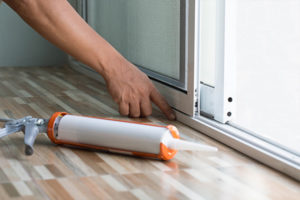
How to Apply Caulk – Prevent water damage and keep your energy bill from running sky high by caulking around windows and doors where air or water might flow between your home and the outdoors. Start by using a utility knife to remove old caulk and carefully clean the surface. Apply new caulk with a caulking gun to a dry surface and smooth the line with your wet finger when you’re done.


How to Maintain Appliances – Review the manuals for all appliances to learn about routine maintenance, such as cleaning your oven and changing the water filter on your refrigerator’s water dispenser/ice maker. Didn’t save a paper copy? Google your make and model, you’ll likely find a copy online.


Hope these tips come in handy!!


Christine Cleek

ABR, CRS, SFR, E-Pro

Broker, Owner

Rising Star Real Estate

850-217-0990

Chris@RisingStarRealty.com

www.RisingStarRealty.com


2016 Voted in the TOP 100 MOST INFLUENTIAL

REAL ESTATE AGENTS IN FLORIDA


2015 Trulia TOP RANKED Real Estate Agent 

Based on Client Reviews & Ratings!


Featured in  January 2014 FLORIDA REALTOR MAGAZINE 

This prestigious award honors excellence among the top 1% of 

agents in the country based on 2014 sales and client reviews. 

 

Visit Rising Star Real Estate on FACEBOOK!

Join my Network on Linkedin!

Follow me on Twitter!

When Mom Moves In

Are you planning to welcome an aging parent or in-law into your home? While you may be worried about how your immediate family will adjust, the move will most likely be toughest of all for your Mom or Dad. Keep in mind that giving up one’s independence is one of the most difficult decisions a person can make. And no matter how unsafe or untenable their current living situation may be, it’s still home, and parting will be extremely emotional.

Here are some ideas for smoothing the transition for everyone involved.

  • Choose a space carefully.While you may think you picked out the perfect room for your parent, consult with them first. They may have needs and preferences you haven’t even considered, such as an attached bathroom for privacy. In just about all cases, an entry-level room is a must, even for the healthiest of seniors.
  •  
  • Make room for what matters to them.You may think that spiffing up the room with a new flat-screen TV or walk-in closet would be something your parent or in-law would love, however, a sunny spot for your Mom’s orchid collection may be way more important to her. Being able to continue the small pleasures from their former life will go a long way toward making Mom or Dad happy under your roof.
  •  
  • Enlist caregivers.While you may be gung-ho to step up and start caring for your parent, it may be the last thing they want. For many seniors, privacy and dignity is paramount and they would much rather have an aide tend to their needs instead of their child. Discuss this openly with your parent and make the necessary arrangements.
  •  
  • Be clear about money matters.Make no assumptions about the financial arrangement that will take place once Mom or Dad moves in. If they are able and willing to contribute monthly, set up a finite amount in advance. This will help you avoid uncomfortable discussions about paying for groceries, chipping in for rent, etc. In addition, make sure all of your parent’s personal bills are in order and scheduled for automatic payments before they move in.
  •  
  • Remember, everyone needs space.You may be looking forward to being one big, happy family under the same roof, but remember that everyone needs their private time, most of all your parent. Don’t be shy about retiring early to your room to settle in with a good book, going for a long walk, or out for a date night. Mom or Dad will most like welcome the chance to have their own alone-time, too.


Christine Cleek

ABR, CRS, SFR, E-Pro

Broker, Owner

Rising Star Real Estate

850-217-0990

Chris@RisingStarRealty.com

www.RisingStarRealty.com


2016 Voted in the TOP 100 MOST INFLUENTIAL

REAL ESTATE AGENTS IN FLORIDA


2015 Trulia TOP RANKED Real Estate Agent 

Based on Client Reviews & Ratings!


Featured in  January 2014 FLORIDA REALTOR MAGAZINE 

This prestigious award honors excellence among the top 1% of 

agents in the country based on 2014 sales and client reviews. 

 

Visit Rising Star Real Estate on FACEBOOK!

Join my Network on Linkedin!

Follow me on Twitter!

Saying “I Do” to Homeownership

Saying “I Do” to Homeownership

Getting married is an exciting time that comes with a lot of new adjustments, including when it comes to finances. Establishing a healthy financial relationship as a married couple will pay off, especially if you and your spouse plan to become homeowners someday or plan to buy a bigger house. Here are some ways to help you stay on top of your finances after you walk down the aisle together.

Assess your financial situation and consider financial goals. Whether or not you plan to have joint bank accounts, if you’re purchasing a home together, it’s important to have a clear understanding of your overall financial situation. What is your student loan balance? How much do you owe on credit cards? What is your take-home pay? How much do you plan to save for retirement? Answers to these questions all impact how much house you can afford – or if now is even the right time to buy. Also worth considering: whether you plan to be a one- or two-income family in the future. For example, if you plan to have a family and for one spouse to stay at home to raise the kids, this can affect your income, which, in turn, affects the size of mortgage loan you want to take on.


Know your credit scores. You can pull a free credit score from websites like CreditKarma.com, which will give you a pretty good idea of where your credit score falls. You may also receive one free copy of your credit report each year from each of the three credit bureaus – Experian, Equifax and TransUnion. Take advantage of these tools and know your credit score before talking to a lender.


Get prequalified for a home mortgage loan. Getting prequalified* from a lender means you’re a serious buyer. So before you ever begin house shopping, get prequalified to show your real estate agent and potential sellers that you are able to get necessary financing. Prequalification also helps you know how much you can afford, so you can narrow down your search and won’t waste your time looking at homes outside your budget.


Put your relationship first. Above all else, keep in mind that your relationship with your significant other is more important than any home. Making big financial decisions can put a strain on any relationship, so step into this process with an open mind and be willing to work together and compromise to find the house that best suits your wants and needs as well as your budget.


Christine Cleek

ABR, CRS, SFR, E-Pro

Broker, Owner

Rising Star Real Estate

850-217-0990

Chris@RisingStarRealty.com

www.RisingStarRealty.com


2016 Voted in the TOP 100 MOST INFLUENTIAL

REAL ESTATE AGENTS IN FLORIDA


2015 Trulia TOP RANKED Real Estate Agent 

Based on Client Reviews & Ratings!


Featured in  January 2014 FLORIDA REALTOR MAGAZINE 

This prestigious award honors excellence among the top 1% of 

agents in the country based on 2014 sales and client reviews. 
 

Visit Rising Star Real Estate on FACEBOOK!

Join my Network on Linkedin!

Follow me on Twitter!

FOUNDATION CRACKS

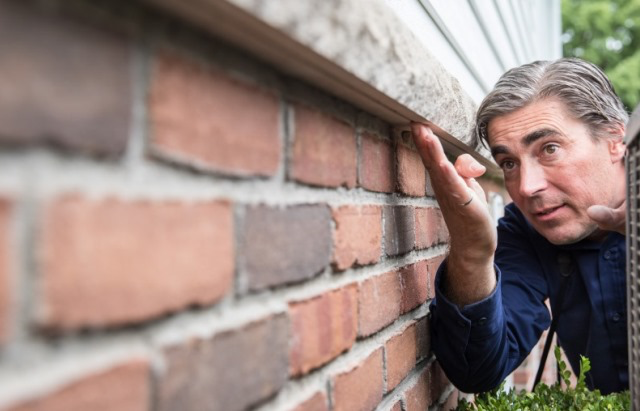
Houses of any age will shift and settle over time, resulting in cracks. Cracks may appear in finishes, structural components or both. Though they usually don’t have any structural significance, it’s worth some visual detective work to help homeowners understand the difference between different types of foundation cracks.

Shrinkage Cracks

Concrete shrinks as it cures, so a newly poured concrete foundation may develop small vertical shrinkage cracks, which are not structurally significant. Characteristics of shrinkage cracks include:

  • The crack will be small and vertical, usually less than 1/8” wide.
  • The crack is in the foundation wall only and does not extend up through the structure.
  • Shrinkage cracks usually occur in the middle third of the length of the foundation wall. If it’s located toward the end of the length of the foundation wall, it is probably not a shrinkage crack.
  •  

Settlement Cracks

Like shrinkage cracks, settlement cracks are vertical, but they extend up through the structure. In block or brick foundations, cracks may follow the mortar joints in a step pattern rather than vertical. Most settlement cracks are caused by short-term settlement. Ongoing settlement is uncommon but can cause structural problems over time. Here are some ways to get an idea of whether ongoing settlement is likely:

  • Crack size: Settlement cracks more than 1/4” wide are more likely to indicate ongoing movement than smaller cracks.
  • Direction of movement: The edges of a typical settlement crack line up and fit together vertically, much like pieces of a puzzle. If the edges of the crack have shifted, or sheared, so that they no longer line up, the 1/4” rule described above doesn’t apply. This type of crack can be a significant structural concern.
  • Repaired and re-cracked: Unless it is a hairline crack, a settlement crack that was repaired and has re-cracked could also indicate ongoing movement and should be addressed.
  •  

Horizontal Cracks – Basement Foundation Wall

In homes with true basements, a horizontal crack in the foundation wall, below grade and running the full length of the basement is likely a sign of foundation failure. For a house with a full basement, the soil outside the foundation wall exerts a tremendous amount of pressure on the foundation wall. Occasionally, unanticipated additional loads exert pressure and cause horizontal cracking in the foundation wall. Do not wait to address this potential issue as it could cause much greater problems down the line, including structural failure.


Christine Cleek

ABR, CRS, SFR, E-Pro

Broker, Owner

Rising Star Real Estate

850-217-0990

Chris@RisingStarRealty.com

www.RisingStarRealty.com


2016 Voted in the TOP 100 MOST INFLUENTIAL

REAL ESTATE AGENTS IN FLORIDA


2015 Trulia TOP RANKED Real Estate Agent 

Based on Client Reviews & Ratings!


Featured in  January 2014 FLORIDA REALTOR MAGAZINE 

This prestigious award honors excellence among the top 1% of 

agents in the country based on 2014 sales and client reviews. 


Visit Rising Star Real Estate on FACEBOOK!

Join my Network on Linkedin!

Follow me on Twitter!

6 ways to prepare now for Hurricanes!

The worst thing that people who live along coastlines can do is not to prepare for tropical storms and hurricanes.

According to the National Hurricane Center, the two key factors contributing to weather safety during hurricanes are preparing in advance for the risks and to act on those preparations when alerted by emergency officials. Here are some helpful tips to help you prepare for the 2019 Hurricane Season! 

1. Evacuation planning

The main reason people have to evacuate during hurricanes is from a storm surge, which is an abnormal rise of water generated by a storm’s winds that can reach heights well over 20 feet and can span hundreds of miles of coastlines, according to the National Hurricane Center. 

Evacuation planning is number one on the list.

I urge owners to find out today if they live in a hurricane evacuation area, which is an area in which residents must leave their homes in the event of a hurricane.Local governments provide the public with information about evacuation areas and the evacuation plans.

Some people will actually test the evacuation route in good weather. Waiting until the day of the hurricane isn’t a smart idea since everyone will be in a heightened state of anxiety.

While people who live in storm surge areas fall within areas that are urged to evacuate during a hurricane, people who live outside of these zones should still look into safety precautions during a hurricane.

2. Buy supplies

This is one of the most important things! Buying supplies well in advance and keeping those supplies on hand should evacuation be required will make life much easier. You do not want to be the last ones to get to the  store. Local stores do their best to stock up prior to the storms arrival, but supplies are limited. If you wait until the hurricane is on your doorsteps, you are going to be waiting in long lines and they could even be out of the stuff you need.

Those living in evacuation areas should keep a hurricane kit handy that is stored in a way that is easy to grab and bring to an evacuation shelter. These kits should include water, food, blankets and clothing.

Other Hurricane Kit Essentials include: first aid kit, battery-powered or hand-crank radio, flash lights and plenty of batteries, whistle to signal for help, and local maps. 

EXTRA TIPS – You should fill up your bath tubs with water. You’ll also want to gas up your car because local gas stations will run dry. 

3. Check insurance coverage

Property owners and renters should be sure to insure their homes against flooding. Many people do not realize it is not apart of standard home and renters insurance.

Tenants and home owners can contact their renters or home insurance provider to buy flood insurance, and they should do so even if they do not live right along the coastline.

4. Make copies of important documents

Those living in or near hurricane areas should make copies of proof of ownership documents of any property not limited to their homes, cars and boats.

These documents can be stored in the hurricane kit or in any safe location that does not risk being damaged during the hurricane.

5. Protect your home

Residents and tenants should inspect their homes to confirm that there is no damage that a hurricane could increase.

Any issues with the overall structure should be repaired, including loose shingles or damaged roofs. Any possible compromises to the roof or house will become an open avenue for strong and gusty winds.

Residences with yards should also put away or secure anything laying on the ground outside that could get tossed into the air and become debris during high winds.

If you have storm shutters, be sure to install them onto your windows and doors to secure your home from damaging winds. If  you do not have storm shutters, no worries! You can purchase supplies, including plywood to cover windows and extra security to keep doors from blowing open at your local hardware store. 

6. Back up your electronics

Aside from keeping extra batteries and chargers around during a hurricane, people are also encouraged to backup any electronic devices.


Christine Cleek

ABR, CRS, SFR, E-Pro

Broker, Owner

Rising Star Real Estate

850-217-0990

Chris@RisingStarRealty.com

www.RisingStarRealty.com


2016 Voted in the TOP 100 MOST INFLUENTIAL

REAL ESTATE AGENTS IN FLORIDA


2015 Trulia TOP RANKED Real Estate Agent 

Based on Client Reviews & Ratings!


Featured in  January 2014 FLORIDA REALTOR MAGAZINE 

This prestigious award honors excellence among the top 1% of 

agents in the country based on 2014 sales and client reviews. 


Visit Rising Star Real Estate on FACEBOOK!

Join my Network on Linkedin!

Follow me on Twitter!

Contact UsWork With a Local Expert

Whether you are buying or selling, your real estate needs are unique to you. As your local real estate expert we are here to be your guide. Contact us today - we're here to help.

Contact Us

Footer

Rising Star Real EstateFlorida Real Estate Experts

(850) 613-6832|Contact Us|1191 Eglin Parkway, Suite G, Shalimar, FL 32579
company logo

DRE#   •   sitemap   •   admin   •   ©2026 All Rights Reserved  •  Real Estate Website Design opens in new window by IDXCentral.com